Family Histories
Home NEW Updates About Us Feedback Historic Sites Consultants Contact Us Terms/Conditions
|
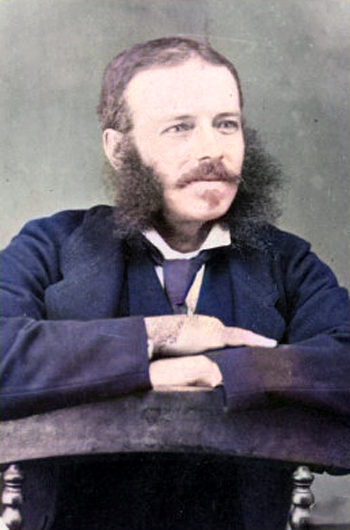
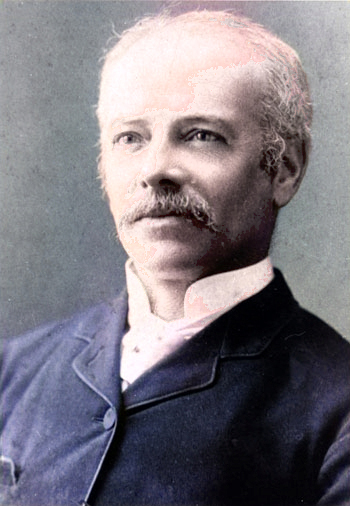
BIRD Francis NEW Researched and compiled by Gordon Freegard using information gathered from many sources including articles written by J.A. Genoni, Dr. John Taylor and Anthony Lunt. Francis Bird, born on 14th November 1845 and raised in Kensington, before moving to the family estate at Pinner, then a village near London, and now incorporated in Greater London. Francis Bird spent his childhood in and around Hyde Park. As a seven-year-old, he was exposed to the excitement of the Great Exhibition in 1851. The exhibition, an extravaganza developed to showcase the achievements and demonstrate the wealth of the British Empire, included a vast array of exhibits from the colonies. His father, George, was one of many financial subscribers to the project championed by the royal consort, and the hoopla and excitement was virtually on his doorstep. Eighteen years later after training as an architect, Francis would give up his privileged position in England and immigrate to one of the far corners of the empire, Western Australia, in 1869. Bird embarked on the clipper Bridgetown in July 1869, bound for Western Australia (WA).
|
A YOUNG FRANCIS BIRD #1 |
|
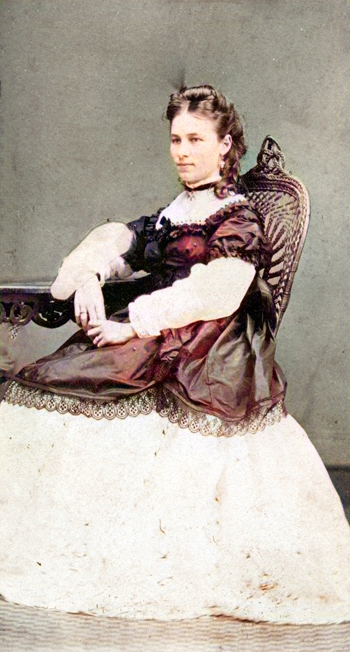
MAUDE BIRD (nee EARNSHAW) #2 |
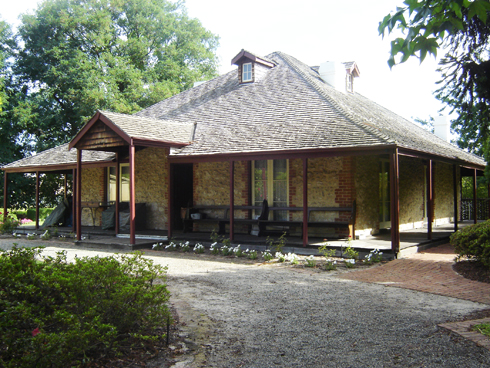
Once in Perth fate took a hand and Francis met his future wife, Augusta Maude Earnshaw, who was assisting her sister Selina in the running of Perth's first private school. Selina, the eldest child of Sergeant David Earnshaw, stationed at Vasse, had been the first white child to be born at Bunbury. Francis and Maude were married after a short courtship at Busselton in February 1871, and made their home at Cannington. Sadly their first child was stillborn in December 1871. In the early 1870s, Bird designed the family home Woodloes, a fine Victorian Georgian bungalow at ‘Mason’s Landing’ in Cannington. He developed the property with gardens, orchards and a surrounding park. One of the earliest architect-designed private residences remaining in WA, Woodloes was purchased by the Town (now City) of Canning in the 1970s, and is kept as a museum.
WOODLOES HOUSE, CANNINGTON #3
|
|
Independently wealthy, by December of 1870 Bird had formed a business partnership, Mason Bird & Co, with timber merchant Benjamin Mason. Mason had need of capital to develop his timber concessions in the Darling Range east of Perth, and Bird invested a small fortune in the venture. They were pioneers of the timber industry in WA, cutting forest near Kalamunda. Bird is believed to have developed one of the first private tram lines in WA, where horses pulling trucks along wooden rails moved jarrah logs over fourteen kilometres from the hills to the Canning River at Cannington. They were then off loaded into barges on the river ready to be poled down to Fremantle. Posts placed in the middle of the river by convicts were put there to facilitate the logging project. At Fremantle the logs were lightered out to ships anchored offshore which transported them to India and South Australia where they were used for railway and bridge building. Mason & Bird completed many major projects including the building of the deep water jetty at Fremantle. Ultimately, the business partnership was unsuccessful, and Bird gave notice of its dissolution in June 1873. One of his friends, the controversial engineer CY O'Connor, designed the Goldfields water scheme which turned out to be an unexpected success. Lacking financial success in Western Australia during the 1870s, and with the expenses of raising his growing family, Frank was not ‘making ends meet’. The Bird family were forced by financial circumstances to leave Woodloes in 1882, moving to Victoria Park, and then to Perth. Advertising himself in 1882 as an architect and surveyor with an office in St George’s Terrace, Perth, Bird noted he had been an ‘articled pupil of John Elliot, Portland Street, Southampton, and of Ewan Christian, 10A Whitehall Place, London - Architect to the Ecclesiastical Commissioners’. He developed a small clientele, and in July of 1882, Bird called tenders for new premises at Geraldton on behalf of prominent businessmen George and Edward Shenton. |
|
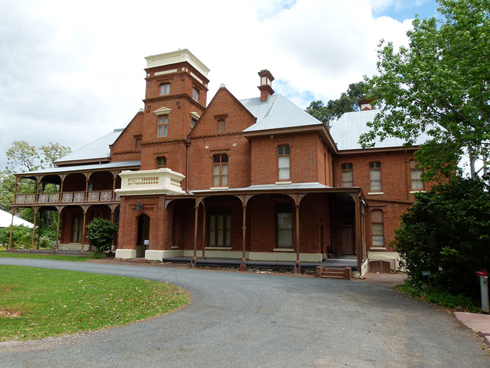
Despite having resumed his professional activity in order to generate income, Francis Bird was listed as bankrupt in the Government Gazette of 20 March 1883. He must have retained some favour in society circles at Perth, as Bird secured the government office of temporary Superintendent of Public Works in 1883-1884. |
WOODBRIDGE HOUSE, GUILDFORD #4 |
|
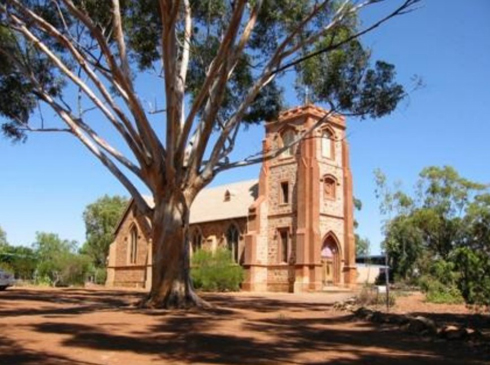
St. JOHN THE BAPTIST CHURCH, DONGARA #5 |
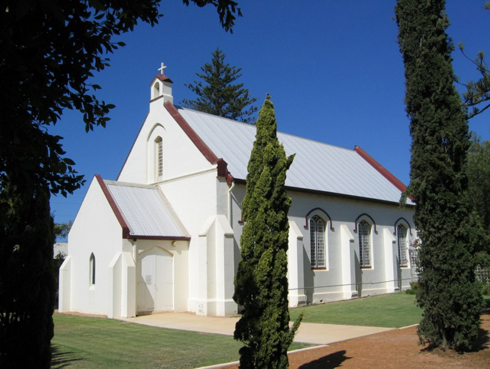
St. JOHN'S ANGLICAN CHURCH, NORTHAM #6 |
|
On 9 February 1887, a meeting of architects was held in Perth 'at which every member of the profession in private practice was present', and where it was 'unanimously resolved to form an Association for protecting the rights of private practitioners'. Continued debate and discussion focused on the topic of public works employees undertaking private work was found in local newspapers for weeks following. The West Australian Architects Association formed a deputation to the Governor in November 1888, again complaining about government employees performing architectural work independent of their official duties, and one must wonder at the invidious position of Bird, himself apparently having previously undertaken private projects whilst in official employ. The Association’s pioneer members included Francis Bird, James Wright, Harry Trigg, Thomas Whitney, George Light and John G. Taylor. The Association was the precursor to the West Australian Institute of Architects, mooted in 1892 and eventually formed in 1896. |
OLDER FRANCIS BIRD #7 |
|
On doctor's orders, the family moved to a cooler environment at Albany, and the Claremont house was sold in June 1889. In December of that year Francis' mother died and he came into an inheritance. He was able to purchase Strawberry Hill arm at Albany. He liked Albany so well that in 1889 he brought his family down on the newly opened railway to live at the Old Farm which included about 30 ha of land at Strawberry. |
|
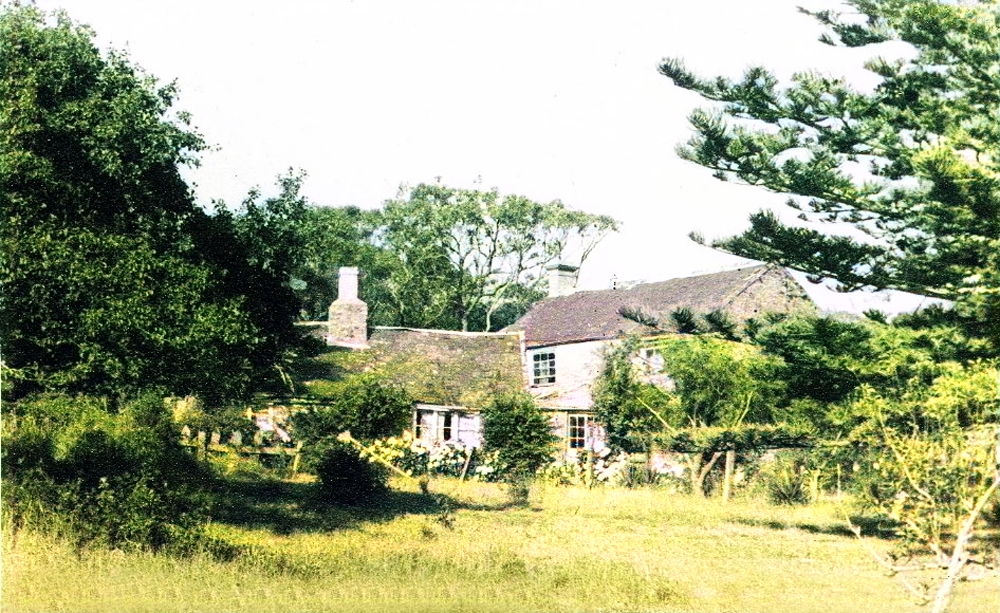
STRAWBERRY HILL FARM c1948 #8 |
|
|
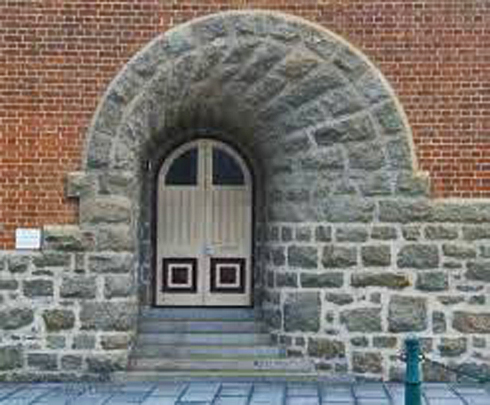
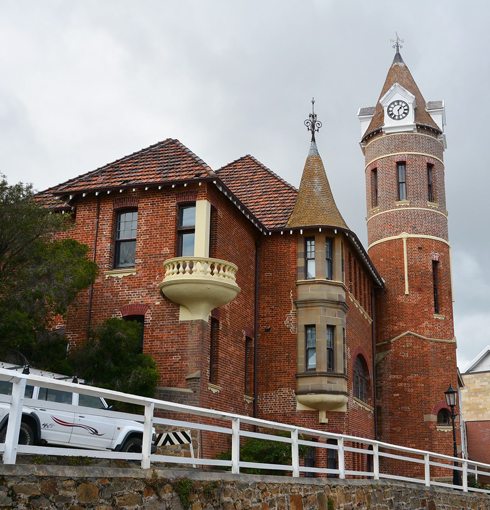
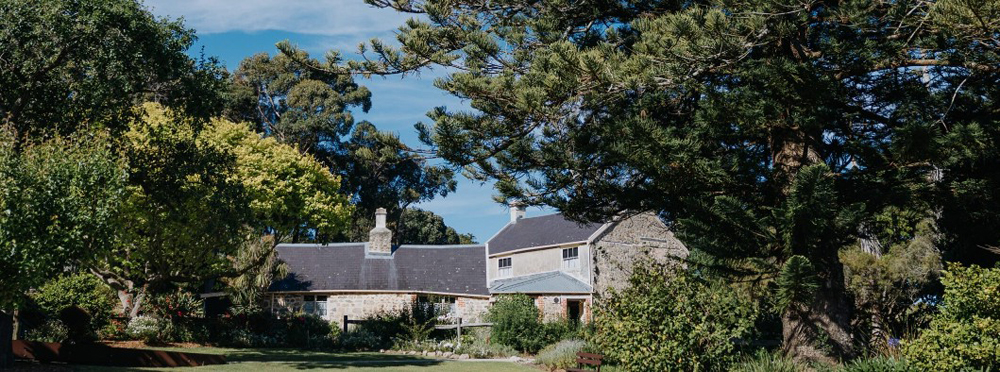
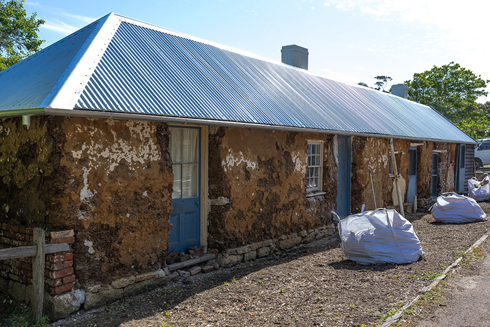
Built in 1827 of 'wattle and daub' Western Australia's first farmhouse was rebuilt and a second storey added by Sir Richard Spencer, first Government Resident, after he arrived in 1833. In 1889 when the Birds bought the property, Joseph Spencer, a son of Sir Richard, was using the building as a slaughterhouse and tallowroom. He gradually restored the home of 1836 and gardens at Strawberry Hill Farm, and much later it would become one of the National Trust of Australia (WA)'s proudest acquisitions. Bird's sight returned sufficiently for him to take on the responsibilities of the local Inspector of Works in Albany for chief government architect George Temple Poole. In Albany Francis Bird supervised Public Works Department designs which can still be seen in the involuted archway at the courthouse, Bird was Inspector of Works for the construction of the Albany Primary School during 1894-1895, and supervised construction the tower at the old Post Office in 1895-1896. |
|
ALBANY COURTHOUSE ARCH #9 |
ALBANY POST OFFICE TOWER #10 |
|
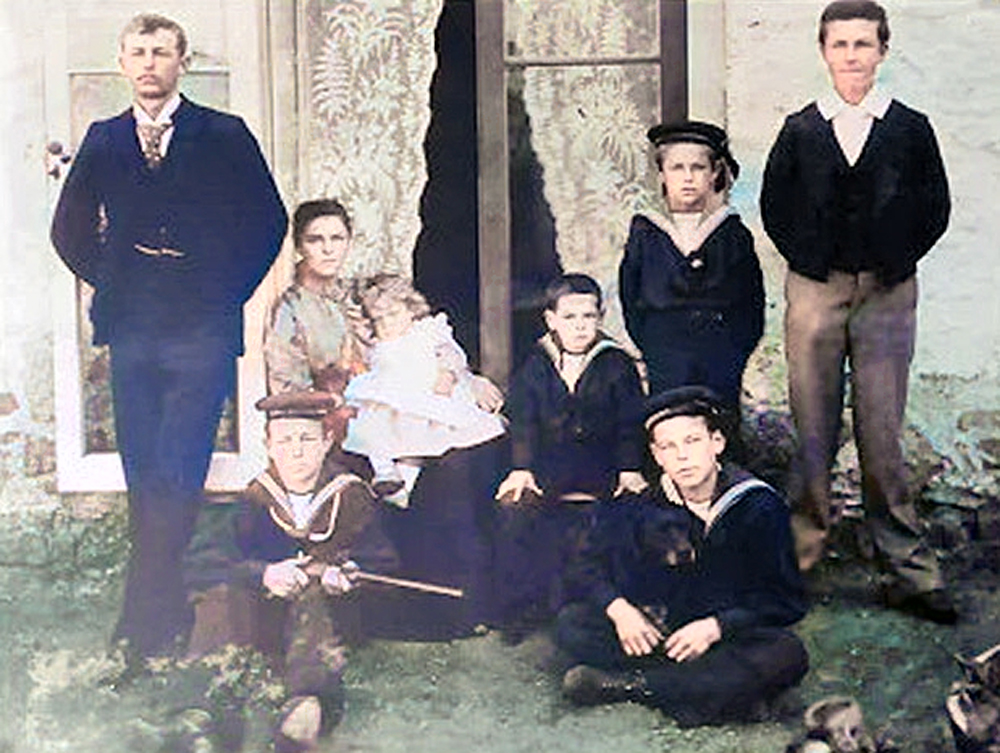
At Strawberry Hill Farm Francis undertook more rebuilding, renovations and additions to accommodate his large family. It is believed that Francis and Maude Bird had 17 children altogether but only eight survived to adulthood, seven sons and one daughter. Here are the details of fifteen of them. Un-Named Son Born 1871 Stillborn
|
|
FRANCIS & MAUDE BIRD'S EIGHT SURVIVING CHILDREN #11
|
|
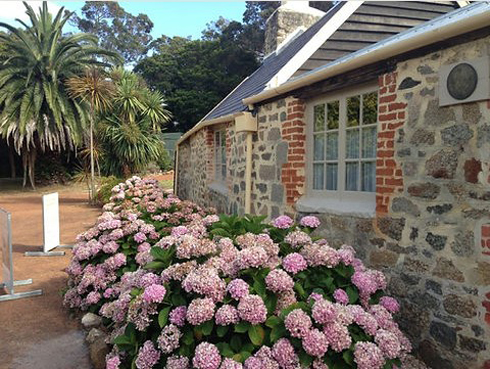
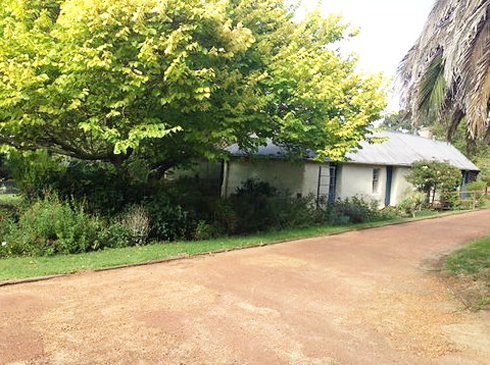
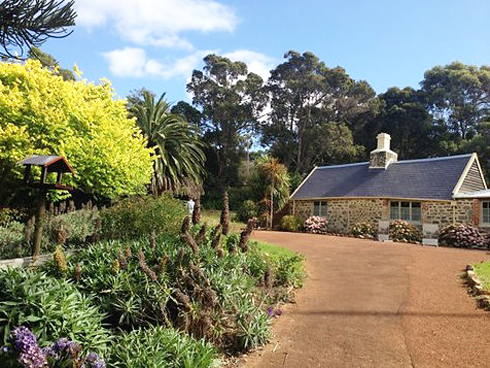
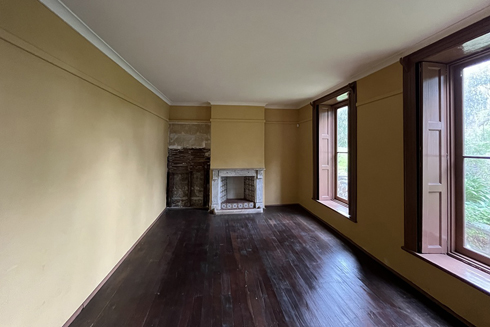
In 1959, after occupancy of the Old Farm for some 70 years, the Bird family's home became part of the National Trust and has been beautifully restored as a museum to become a leading tourist attraction in Albany. |
|
STRAWBERRY HILL FARM #12 |
|
STRAWBERRY HILL FARM #13 |
STRAWBERRY HILL FARM #14 |
|
STRAWBERRY HILL FARM #15 |
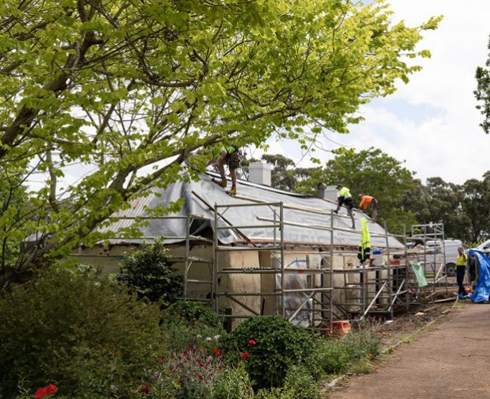
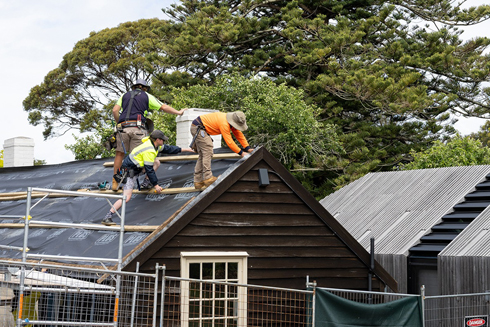
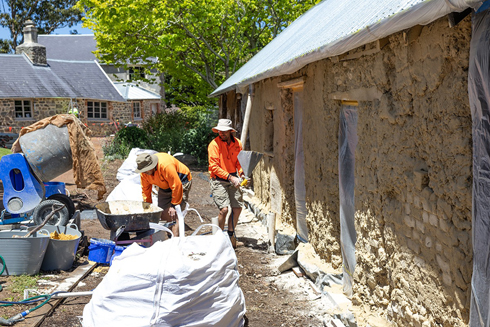
The National Trust was granted funded which enabled much needed restoration work to be carried out on the buildings at Strawberry Hill Farm. The farm has been closed whilst this is taking place but will again be open to the public later in 2026. |
|
STRAWBERRY HILL FARM UNDER REPAIR #16 |
STRAWBERRY HILL FARM UNDER REPAIR #17 |
|
STRAWBERRY HILL FARM UNDER REPAIR #18 |
STRAWBERRY HILL FARM UNDER REPAIR #19 |
|
STRAWBERRY HILL FARM UNDER REPAIR #20 |
Francis Bird was made a Fellow of the Royal Victorian Institute of Architects in 1890, and a Justice of the Peace in 1895. Supposedly retired in 1910, Francis was still listed as a practitioner in Albany’s 1917 postal directory. The extensive family were able to celebrate their parents’ diamond wedding anniversary in 1931, before Bird passed away in Albany at the age of 91 in 1937. His memorials include the Francis Bird Reserve at Cannington. |
|
Every endeavour has been made to accurately record the details however if you would like to provide additional images and/or newer information we are pleased to update the details on this site. Please use CONTACT at the top of this page to email us. We appreciate your involvement in recording the history of our area.
|
|
References: Article: Gordon Freegard
Copyright : Gordon Freegard 2008 - 2026
|